

Y Combinator's motto "make something people want" was never about the product. It was about distribution. Build the thing that finds product-market fit, and the people come. For twenty years, that distribution ran through search engines, social algorithms, paid ads, and word of mouth. All human-mediated channels.
That changed. In the past six months, Cloudflare, Shopify, Stripe, Supabase, Netlify, and Google each invested in becoming agent-ready, building for a new distribution channel: AI agents that visit websites, extract information, compare options, and complete transactions on behalf of the humans who sent them. Nobody coordinated this. Six companies in different industries saw the same thing and built for it independently.
When six companies in different industries build for the same visitor class independently, the channel is real.
Your website still needs to make something people want. But agents are now how many of those people find it. A website that works for humans and fails for agents is a product with a broken distribution channel.
Six companies in six industries made the same agent infrastructure bet
Cloudflare dedicated an entire launch week to agents in April 2026. Not a single feature announcement. A week. Agent identity through Web Bot Auth with GoDaddy. Agent-readable content through Markdown for Agents. Agent-callable functions through WebMCP in Browser Run. Agent measurement through the Agent Readiness Score at isitagentready.com. An infrastructure vendor doesn't clear their calendar for something speculative.
Shopify shipped the Agent Toolkit so any AI agent can browse a store's catalog, check inventory, and complete checkout through a structured API. The merchant doesn't build anything new. Google went further with Universal Commerce Protocol, expanded it at I/O 2026 with Universal Cart, then added Agent Payments Protocol to FIDO Alliance with sixty organizations. The commerce layer for agents went from draft spec to production integration in under three months.
Stripe shipped Projects, a platform where AI agents can create accounts, buy domains, deploy infrastructure, and manage subscriptions through Stripe's payment rails. The infrastructure-buying layer became agent-transactable overnight.
Netlify built netlify.ai, a dedicated surface where AI agents can deploy websites, manage projects, and access the full platform through agent skills. Not a feature inside the existing product. A separate entry point designed for non-human visitors. I talked to their CEO about this last week and the reasoning was straightforward: if agents are going to deploy websites on your platform, give them a front door built for them.
And then there's Supabase. Their tagline is "Postgres development platform." That means almost nothing to the vibe coders who made Supabase the default database for AI-built apps. But it's a perfect machine-readable description of what Supabase is and what a coding agent can do with it. The tagline reads like it was written for an agent, not a human. Whether Supabase designed the tagline for agents doesn't matter. The machine-readable identity worked.
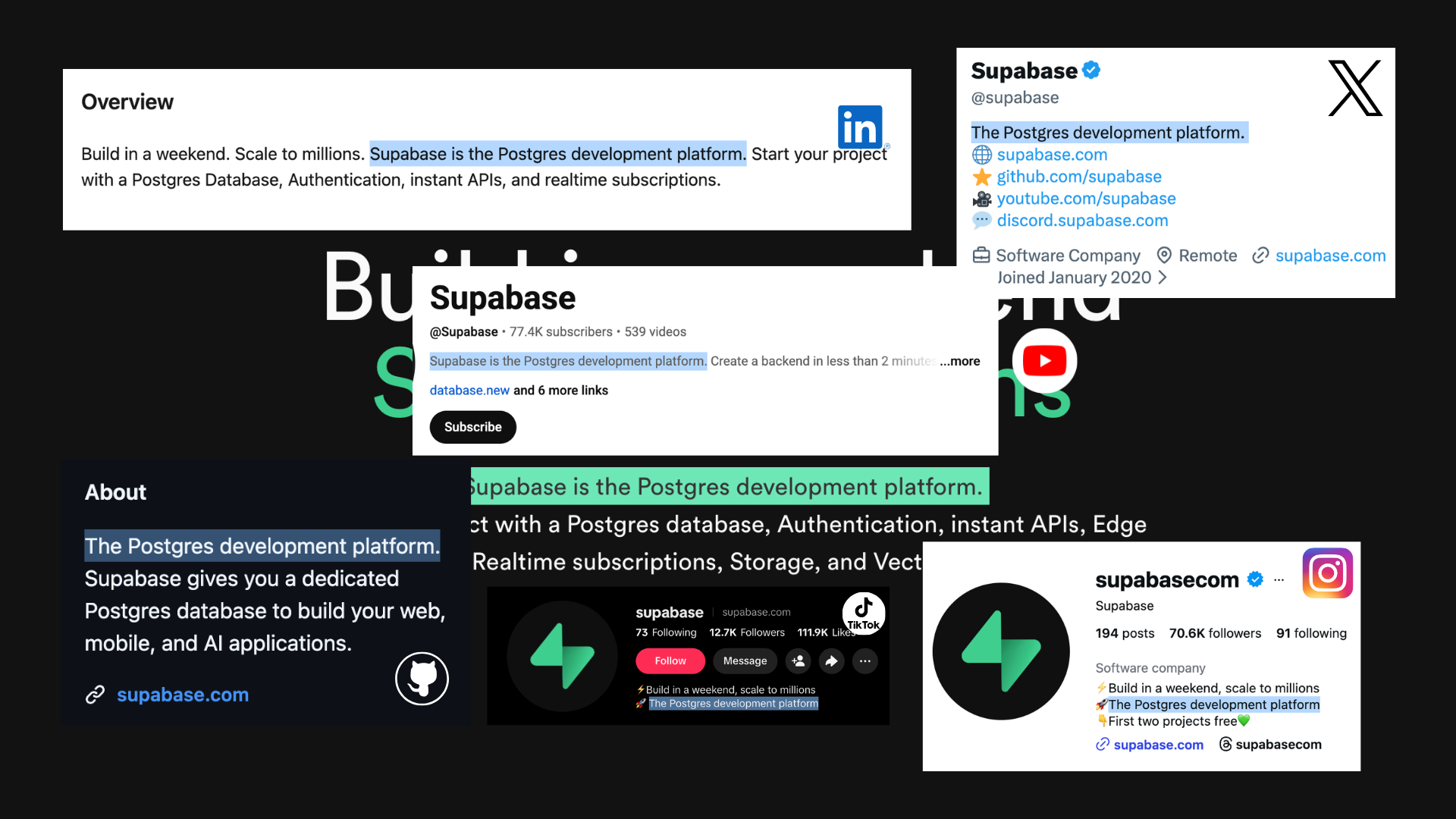 Slide from my Experimentation Elite Space Academy talk: Optimising in the AI Era, May 2026
None of these companies were responding to each other. They were all responding to the same thing: a visitor class that needs machine-readable identity, structured content, discoverable actions, and predictable transaction flows. A visitor class that is growing because the humans behind the agents prefer it.
HOW AI IS CHANGING THE INTERNET: THE GOOD, THE BAD, AND THE POINTLESS
Nobody asked us if we wanted the internet changed. So every week I send one email about one thing AI did to it, with the receipts, and what to do about it. Sometimes the honest answer is "not yet."
From someone who pays attention to this for a living.
What investing in agent-readiness actually means
Agent-readiness is not a budget line or a new team to hire. Agent-readiness is a set of infrastructure decisions about how your website delivers what it offers to non-human visitors.
Can agents read your content? If your website depends on JavaScript rendering to display its core information, most agents see an empty page. Server-rendered HTML with semantic structure is the floor. Server-rendered HTML is the easiest gap to close and the one with the most immediate impact.
Can agents discover what you offer? A robots.txt that acknowledges AI user agents, a sitemap that stays current, structured data that names your entities and relationships. These are classical web fundamentals applied to a different visitor class. Nothing here is new. The visitor is.
Can agents act? If your website sells something, can an agent complete the purchase? If your website provides a service, can an agent invoke it? The protocol layer (UCP, MCP, WebMCP) is where this lives. Most websites are not here yet. That is fine. But the companies that are here are building the moat.
The moat is taking it seriously before your competitors do. Shopify is already enabling Agent Toolkit access by default for all merchants. The ones paying attention to what that means for their product data and checkout flow are the ones capturing the agent-referred traffic. The first SaaS products with WebMCP tools get the agent-discovered users. Supabase is the default database for agent-built apps because its identity was machine-readable before anyone was thinking about it. The window is open because most websites have not started.
"Make something people want" now includes agents
The YC motto hasn't changed. But agents are now part of how people find what you made, compare it to the alternatives, and decide whether to buy it. A website that only works for humans is a product with a distribution problem it doesn't know it has yet.